Systems thinking that survives real traffic
I teach architecture through constraints: latency, cost, blast radius, operations, data integrity, and the trade-offs that show up after launch.

Greater Seattle • Engineering Manager at Amazon
Distributed systems expert building infrastructure for scalability, availability, and engineering excellence
I help engineers and engineering leaders think sharper, design stronger systems, and grow into high-impact roles with practical frameworks from real internet-scale work.
Tech leader • Builder • Mentor
I am Jay Tiwari, an Amazon engineering leader working across Amazon Ads, AWS S3, GenAI infrastructure, ML inference, and large-scale service platforms.
My work sits at the intersection of deep infrastructure and practical leadership: scaling Tier-1 services, launching customer-facing AWS features, building engineering teams from scratch, and turning ambiguous technical problems into mechanisms that ship.
I have led teams behind AWS S3 launches such as S3 Express One Zone, GetObjectAttributes, Additional Checksums, and read-after-write consistency. In Amazon Ads, I lead platform and infrastructure work across publisher ad serving, ML-driven pricing, GenAI operations, and services that operate under massive traffic and reliability expectations.
Tier-1 AWS S3 metadata service scale owned across reliability, latency, and customer trust.
Ad-serving API scale across OpenRTB and AdCOM compliant infrastructure.
Revenue impact from idea to strategy to execution.
Technical interviews informing direct, practical coaching for engineers and managers.
What I want to be known for
I teach architecture through constraints: latency, cost, blast radius, operations, data integrity, and the trade-offs that show up after launch.
I care about hiring, coaching, promotion readiness, writing clear business reviews, and creating team rituals that turn execution into repeatable operating strength.
My mentorship is direct, specific, and grounded in what strong interview loops, senior-level system design, and leadership evaluations actually test.
Topics I write, mentor, and speak about
I share practical frameworks for engineers, engineering managers, and technical program managers who want to design better systems, lead with more clarity, and grow into stronger opportunities.
Notes and articles on system design, engineering leadership, and interview preparation.
A practical framework for navigating ambiguity, making trade-offs, and showing engineering judgment under pressure.
Read articleA practical guide to rewriting resume bullets so they show scope, judgment, and impact instead of generic activity.
Read articleScheduled scaling, forecast-informed planning, autoscaling, predictive scaling, and safe descaling for sudden traffic bursts.
Read articleThe patterns I see repeatedly in mock interviews and how to avoid them in your own prep.
Read articleA practical framework for reading unfamiliar code, working with AI effectively, and validating fixes under pressure.
Read article1:1 sessions inspired by what works best for candidates I’ve mentored so far.
We run a real FAANG-style design prompt end to end. I watch how you clarify requirements, estimate scale, draw the architecture, choose data stores, and discuss bottlenecks.
I give feedback on structure, trade-offs, depth, and communication, then recommend exactly what to practice next so your answer sounds like engineering judgment, not memorized diagrams.
We review your resume like a hiring manager would scan it: top-third positioning, role fit, scope, measurable impact, leadership signal, and whether each bullet earns its space.
I point out noise, missing context, weak bullets, and places where your real impact is hidden. You leave with sharper rewrites and a clearer story for recruiters, managers, and interviewers.
We diagnose where you are today across coding, system design, behavioral stories, resume positioning, and timeline pressure. Then we turn that into a practical weekly plan.
I look for the highest-leverage gaps: missing patterns, unclear communication, weak examples, or poor sequencing. The goal is fewer random problems and more focused preparation.
Use this for high-signal decisions: role changes, offer choices, manager conversations, internal mobility, switching stacks, or how to approach a specific interview opportunity.
I help you separate emotion from options, look at second-order consequences, and choose a next step that fits your long-term career direction instead of only the current pressure.
For now, please use topmate.io/jay_tiwari to book a session. We are working on building our own platform, and contributions, ideas, or technical help are welcome.
Books, tools, and resources I often recommend to candidates and mentees.
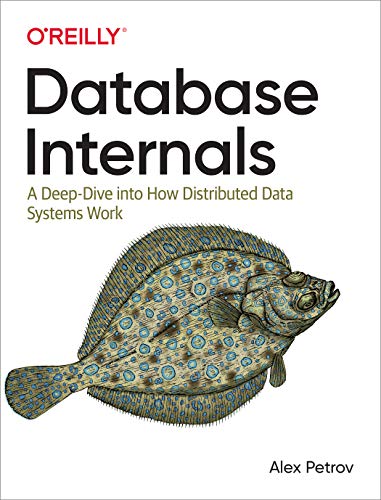
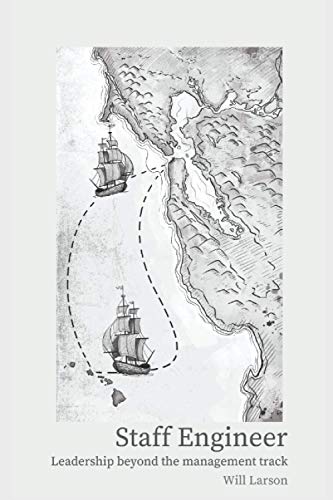
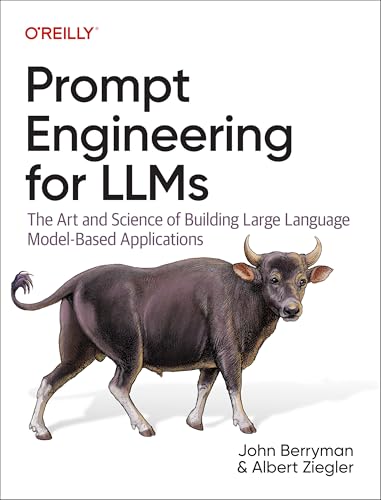
These are my cherry-picked recommended books for anyone looking to learn about Software Engineering and/or interview at Big Tech companies.